

If you have ever wondered what clog soles are made of, the answer depends on the style. Modern clogs may use polyurethane, rubber, foam, or other synthetic materials. Traditional wood-bottom clogs take a different approach, using real wood as part of the shoe’s foundation.
Many styles in Sanita’s Wood Heritage Collection feature a sustainably sourced linden wood midsole, paired with a natural rubber outsole on select styles for added traction and durability.
The result is a distinctly grounded feel underfoot—firmer, more substantial, and more structured than deeply cushioned footwear.
For people drawn to natural materials, thoughtful design, and a more intentional approach to comfort, that difference is part of the appeal.
Traditional wooden clogs use real wood in their construction, not simply as a decorative finish.
In many Sanita Wood Heritage styles, the construction includes:
A leather or suede upper
A sustainably sourced linden wood midsole
A natural rubber outsole on select styles
Comfort details that vary by design
The wooden base creates the structured foundation beneath the foot, while the outsole helps protect it during everyday wear. It is a straightforward construction built around purposeful materials: leather, wood, rubber, and a shape designed to work together.
The Kristel Wood Clog, for example, pairs an oiled leather upper with a sustainably sourced linden wood midsole, a natural rubber outsole, and an adjustable buckle—traditional construction in an everyday silhouette.

For a closer look at the craftsmanship and decisions behind the shoe, read How Sanita Clogs Are Made.
Linden wood creates a durable, naturally structured base beneath the foot.
Unlike foam, which is designed to compress, wood maintains a firmer platform. That gives a traditional wooden clog its characteristic feeling of substance and stability.
If you're used to highly cushioned sneakers, the sensation may feel different at first. That difference is intentional.
Wooden clogs represent another approach to comfort: less about sinking into softness and more about having a dependable foundation beneath you.
Comfort doesn't always mean more cushioning. Sometimes it comes from shape, structure, simplicity, and the feeling of being supported by something substantial.
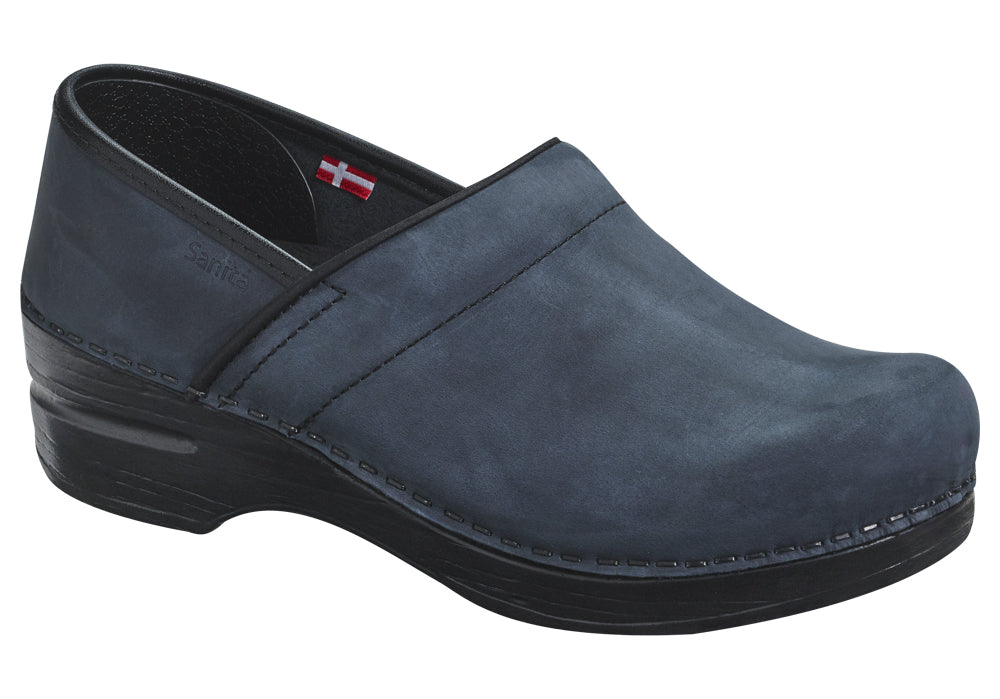
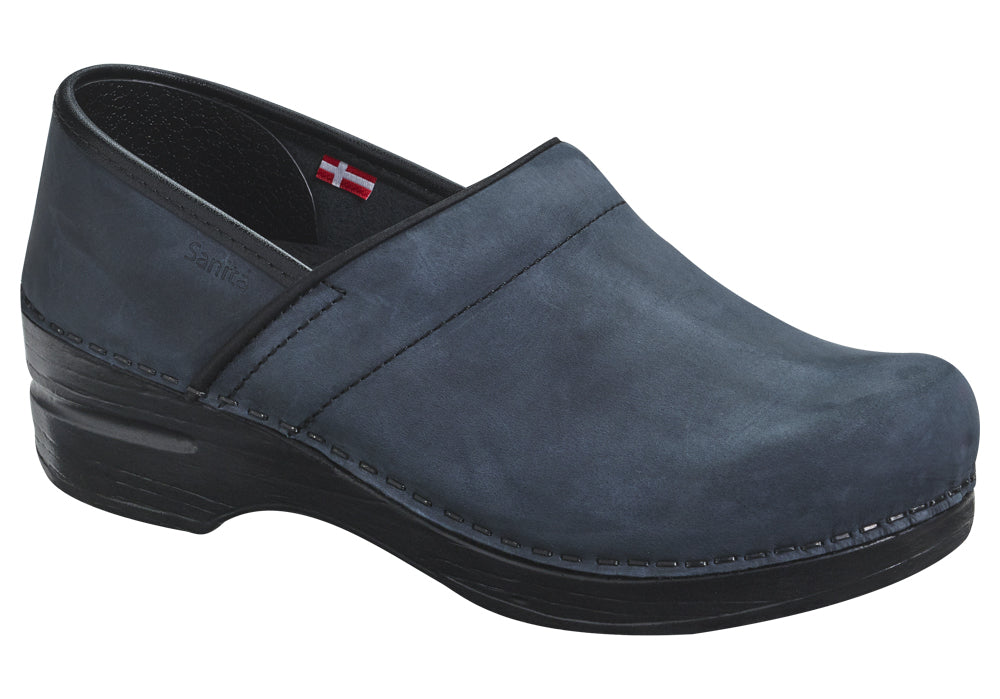
Styles such as the Urban Wood Clog use an FSC-certified linden wood midsole beneath a simple oiled nubuck upper, creating a clean example of how natural materials and structured construction come together.

If you want to understand how different footwear creates support underfoot, our guide to what arch support actually means explains how different footbeds approach cushioning and structure.
Foam compresses beneath the foot. Wood remains comparatively firm.
That means a traditional wooden clog feels more structured than soft or springy. Instead of disappearing into layers of cushioning, you can feel the clog's shape and foundation beneath you. The sensation is grounded rather than plush.
Soft footwear creates comfort primarily through cushioning. A wooden clog creates its experience through shape, firmness, and a stable base.
Neither approach is right for everyone, but they feel distinctly different.
For people who prefer footwear that feels substantial, supportive, and intentionally constructed, the firmness of a wooden clog can be part of what makes it satisfying to wear.
It is comfort with structure, rather than comfort through maximum softness. This idea of structured comfort also helps explain why supportive footwear can feel different over long periods of standing.
Wood is more than part of the clog’s appearance. It is part of its history and the philosophy behind the design.
Sanita’s clog-making heritage dates back to 1907 in Denmark, when footwear was built around practical materials, purposeful construction, and everyday function.
Long before comfort became closely associated with layers of foam, the traditional Danish clog approached it differently: with natural materials, thoughtful shaping, and a solid wooden foundation.
The firm sole and gently raised heel of traditional wooden footwear can encourage a more upright, supported stance, while the shoe's natural shaping may help support the foot’s arches. Building on these traditional design principles, some manufacturers now offer orthopedic wooden footwear that combines wood's structured foundation with modern, support-focused construction. Wood is also valued for its naturally antibacterial properties, which can contribute to a more hygienic environment for the foot.
That tradition began with Sanita founder Christen Meldgaard Andersen and has continued through generations of European clog-making. Explore the full story in The Original Danish Clog: A History of Sanita Since 1907.
The Sanita Wood Heritage Collection carries that tradition forward for contemporary wear. The result is a shoe that connects heritage, function, material, and feel.
That approach is refreshingly straightforward. You can see what the shoe is made from. The materials are recognizable. The construction has a purpose. And the design has endured for generations.
Not every clog that appears wooden underneath contains real wood.
Some styles use synthetic materials molded or finished to resemble a wooden base. A genuine wood-bottom clog offers a different feel and character.
Because wood is a natural material, no two bases are exactly alike. Subtle variations in grain, tone, and finish are part of what makes each pair genuine.

Rather than being perfectly replicated from shoe to shoe, the material retains some of its natural individuality. For shoppers who value authenticity and thoughtful construction, that distinction matters.
The same appreciation for genuine materials and long-lasting design is part of Sanita’s broader Scandinavian design philosophy. Our conversation with Sanita’s head designer explores how Scandinavian minimalism, craftsmanship, and timeless design shape the clogs.
If traditional construction is important to you, look beyond appearance and check what the sole is actually made from.
They can be, but they offer a different kind of comfort than an ultra-soft athletic shoe.
Wood-bottom clogs are intentionally firmer and more structured. If you are used to deep cushioning, the feeling may be unfamiliar at first.
Instead of judging them by softness alone, consider the entire experience: the fit, the shape beneath the foot, the stability of the base, and how the shoe feels as you move through your day. A wooden clog isn't trying to feel like a sneaker — its appeal is different.
It offers comfort with structure—a substantial, grounded foundation rather than a soft, compressible one. For some wearers, that simplicity is exactly what makes the experience feel good.
Comfort with structure is about more than firmness underfoot—it’s about how thoughtful shaping can support the way the body moves and stands throughout the day. Traditional wooden clogs pair a stable sole with a gently raised heel and contoured shape, features that may encourage a more upright posture, support the foot’s natural arches, and promote more balanced alignment through the legs and back. Combined with Sanita’s long-standing approach to anatomical shaping and purposeful construction, the result is grounded comfort designed around support, stability, and long-wear ease.
A traditional wood-bottom clog may appeal to someone who values:
Natural, renewable, and sustainable materials
Thoughtful craftsmanship
A stable, structured feel
Timeless design
Authentic Danish heritage
Visible, purposeful construction
Products designed with long-term wear in mind
For an intentional shopper, the appeal goes beyond nostalgia. A wooden clog is an uncomplicated object made from recognizable materials, shaped around function, and designed to remain useful beyond a single season.
The wood is part of the structure. The natural variation is part of the character. And the firmness underfoot is part of the experience. That honesty is part of what gives the traditional clog its enduring appeal.
Explore the full Wood Heritage Collection to see how that traditional foundation appears across different leathers, colors, silhouettes, and details.
Many Sanita Wood Heritage styles use a sustainably sourced linden wood midsole, sometimes paired with a natural rubber outsole. Linden wood provides the firm, structured foundation that gives traditional wood-bottom clogs their distinctive feel. It is easy to carve and use for a variety of consumer goods, not just shoes. We source linden wood from forests managed to strict environmental, social, and economic standards set by the Forest Stewardship Council.
No. Modern clogs may also use polyurethane, foam, rubber, and other materials. If you want traditional construction, look specifically for a genuine wood bottom or wooden midsole.
Wood-bottom clogs feel firmer than heavily cushioned footwear, so they may take some getting used to. The experience is more structured and substantial than soft or springy. Proper fit and personal comfort preferences matter when choosing any clog.
Yes, on appropriate everyday surfaces. Because wood is a natural material, avoid prolonged exposure to very wet conditions or particularly rough terrain. Select Sanita Wood Heritage styles also include a natural rubber outsole to help provide traction and protect the wooden base during everyday wear.
A genuine wooden clog offers something increasingly uncommon: natural materials, purposeful construction, and a design that does not need to hide its construction. The feel is firm, not plush. The materials are honest. And the simplicity is intentional.
Sanita has been handcrafting clogs since 1907, and the Wood Heritage Collection continues that Danish tradition for modern life.
Explore the Sanita Wood Heritage Collection and experience the enduring simplicity of the traditional Danish clog.
Register to receive a notification when this item comes back in stock.