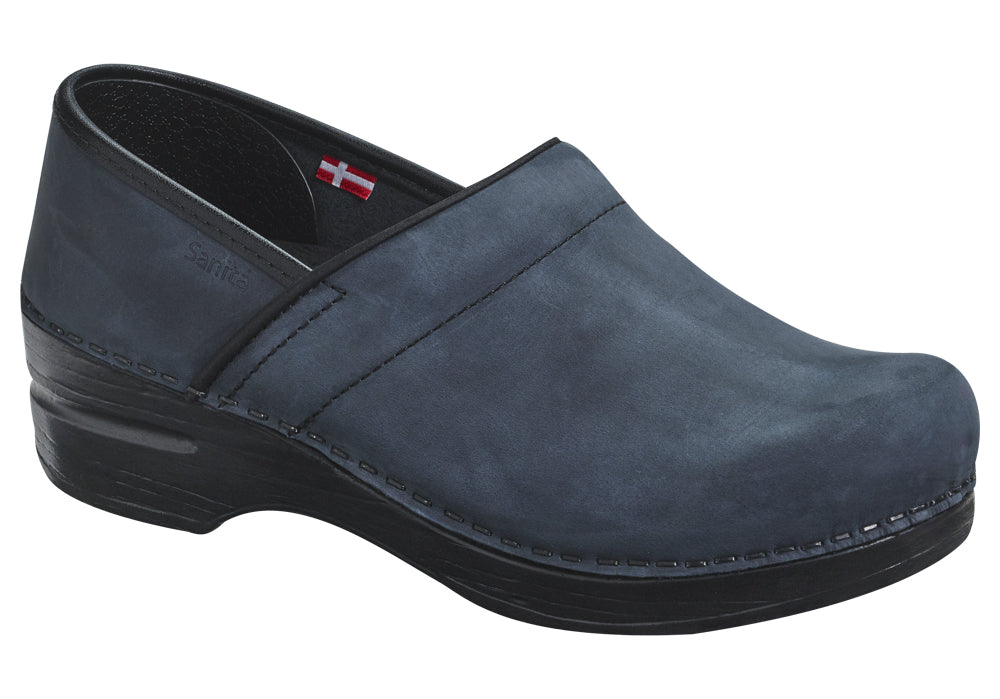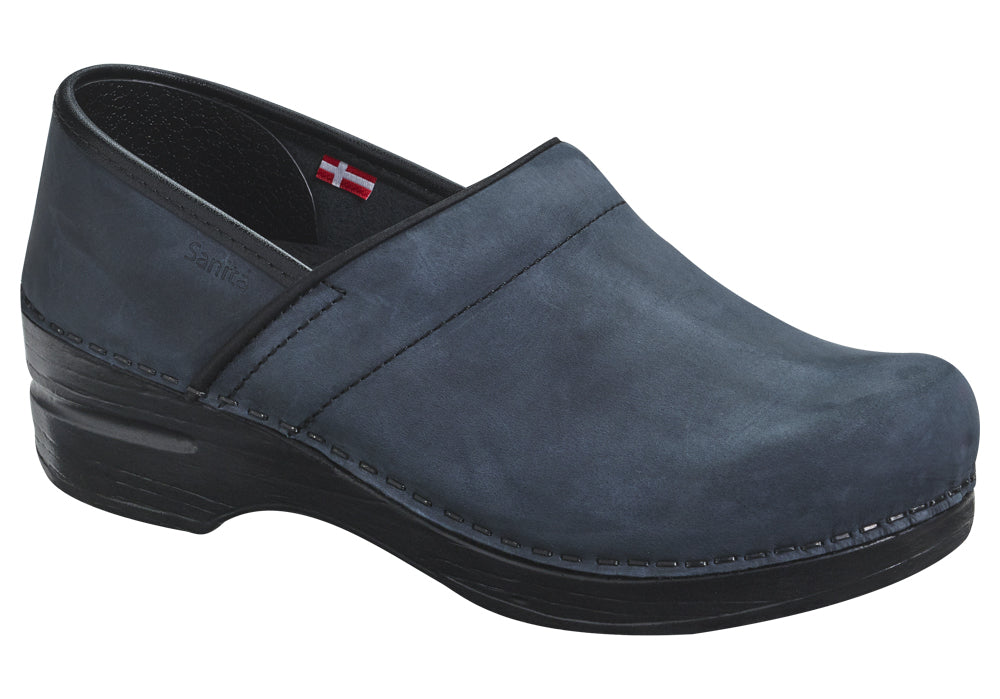


A good pair of leather clogs will probably not look exactly the same after months of wear as they did on day one. For many people, that is part of the appeal. Leather is a natural material, and its color, texture, and sheen can gradually change with wear. But not every leather finish changes in the same way. Some develop visible character. Others maintain a smoother, more consistent appearance. Some need occasional conditioning, while others can be wiped clean.
Understanding those differences can help you choose clogs not only for how they look today, but for how you want them to fit into your life over time. If you are comparing styles in Sanita's Professional Clog collection, the upper material is a useful starting point.
The question is less “Which leather is best?” and more: Do I want my clogs to develop character, stay polished, feel textural, or be especially easy to maintain? Here is how the most common finishes compare.

Oiled leather is a good match if you appreciate materials that become more individual with use. Sanita's oiled leather has a heavy oil finish. With regular wear, the surface can become less uniform as friction areas develop subtle differences in tone and appearance. Small scuffs may also blend back into the finish rather than remaining sharply visible. That means a mark does not automatically make the shoe look ruined. In fact, variation is part of this material's personality.
Over time, less heavily sealed leather surfaces may also develop a patina—gradual changes in color and surface character from friction, oils, light, and everyday use. If you enjoy objects that look more like yours over time rather than remaining visually untouched, that evolution can be part of the reason to choose leather in the first place. Oiled leather can be especially appealing in a wardrobe built around natural materials, relaxed simplicity, and pieces meant to be worn repeatedly rather than saved for special occasions.
Choose oiled leather if: you are comfortable with variation, appreciate a lived-in look, and would rather embrace an occasional scuff than worry about keeping every surface pristine.
For finish-specific cleaning, refer to Sanita's clog care instructions before applying a general leather product.

Cabrio leather is a useful middle ground. It gives a more polished look while maintaining a smoother, more traditional appearance than a visibly distressed or heavily oiled finish. That makes it easy to integrate into everyday wardrobes, whether your clogs are mainly for work, errands, travel, or simply being on your feet all day. Cabrio leather can still crease and show subtle signs of wear. Leather flexes when you move, and a shoe that is actually worn will naturally begin to reflect that movement.
The difference is that this leather tends to feel visually cleaner and dressier than an intentionally rustic finish. Sanita recommends applying leather conditioning oil with a soft cloth to Cabrio leather, and using leather balm as appropriate to condition and revitalize the material. If that balance sounds right, Cabrio is one of the finishes you can compare within Sanita's Professional Clogs.
Choose Cabrio if: you like the character of genuine leather but want your clogs to retain a relatively classic, versatile appearance.

Patent leather has a very different personality. Its glossy, coated surface creates a smooth, high-shine appearance rather than emphasizing the leather's natural grain. If your instinct is to keep things polished rather than intentionally weathered, that can be an advantage. Patent leather typically doesn't develop the same nuanced patina as more natural-looking leather surfaces. Instead, normal wear may appear as fingerprints, dull spots, or surface scuffs, which can stand out because the rest of the shoe is so reflective. The tradeoff is simple maintenance: Sanita recommends wiping patent leather with a damp cloth and mild soap and water.
Choose patent if: you enjoy a polished finish, prefer relatively predictable-looking footwear, and want simple everyday cleanup.

Suede appeals to a different kind of buyer. Instead of a polished surface, it offers a visible texture and a softer, more tactile appearance. That texture naturally responds to touch and friction. The nap may shift, and areas of the shoe can look lighter or darker depending on how the fibers lie.
That does not necessarily mean the material is wearing poorly. It means the texture itself is changing. A horsehair brush can help refresh the nap, while Sanita recommends suede foam cleaner for material-specific cleaning. This finish asks for slightly more awareness than a wipe-clean coated surface, but for someone who loves tactile, relaxed materials, that can be a worthwhile tradeoff.
Choose suede if: the texture itself is part of what you love and you are comfortable giving it occasional material-specific care.

There is nothing less intentional about choosing the easiest option to own. If your priority is straightforward maintenance, PU-coated leather may make the most sense. The protective coating creates a more uniform surface and makes routine cleanup simple. Sanita recommends mild soap and water on a damp cloth.
Because the leather is coated, its visual evolution tends to differ from that of more open, natural leather finishes. You are not choosing it because you want a rich patina to emerge over time. You are choosing it because you value consistency and convenience. For someone who wants dependable footwear without building a leather-care ritual around it, that can be exactly the right choice.
Choose PU-coated leather if: easy cleanup, predictability, and low-maintenance ownership matter more to you than visible natural aging.
One of the most helpful things to understand before buying leather footwear is that visible wear and material failure aren't the same. Depending on the finish, normal use may cause small creases, subtle color changes, variations in sheen, surface scuffs, or changes in suede and nubuck texture. Oiled leather, in particular, can naturally show scuffs and variation as part of its finish.

Pay more attention to changes like significant cracking, peeling, unusual stiffness, or structural damage. Knowing the difference can make owning leather much easier. Instead of treating every new mark as something that needs correcting, you can focus on the material's overall condition.
Leather care does not need to be complicated. In fact, doing too much can be less helpful than simply using the right method for the material. Because products designed for one type of leather may not suit another, check Sanita's complete care instructions when you are unsure. Also test conditioning products carefully, since some can deepen or otherwise alter the color of leather. The goal is not to make a well-worn pair look brand new every time; it is to help the material continue to look good as it ages.
Cabrio leather: Use a leather conditioning oil with a soft cloth; apply leather balm as needed.
Oiled leather: Use a horsehair brush and suede foam cleaner.
Patent leather: Wipe with a damp cloth with soap and water.
PU-coated leather: Wipe with a damp cloth with soap and water.
Suede or nubuck: Refresh with a horsehair brush and suede foam cleaner.
When choosing a leather finish, picture your clogs six months from now, not just fresh out of the box.
Will you be bothered when the first scuff appears? If so, a more uniform, easy-clean finish may give you greater peace of mind.
Do you love leather bags, jackets, or furniture that become richer and more personal with age? Oiled leather may feel much more natural to you.
Do you want something classic that can transition between work and the rest of your day without drawing much attention? Cabrio may be the sweet spot.
Do you prefer tactile materials that make a simple silhouette feel warmer and more relaxed? Consider suede or nubuck.
Those questions are often more useful than trying to identify a single “best” leather. Thoughtful design works best when it fits comfortably into your actual habits.
A dependable pair of clogs doesn't have to stay visually perfect to remain beautiful. A softened surface, a subtle crease, or a little variation can simply mean the material has accompanied you through ordinary life—morning routines, long afternoons, work, travel, errands, and weekends. The things you actually bought the shoes to do.
When you understand how different leather clog finishes age, choosing becomes simpler: look for the finish whose appearance and care requirements feel most compatible with you. Then allow it to be worn. If you are ready to compare finishes side by side, explore Sanita Professional Clogs and choose the material that feels right for how you want to live in them.
Register to receive a notification when this item comes back in stock.