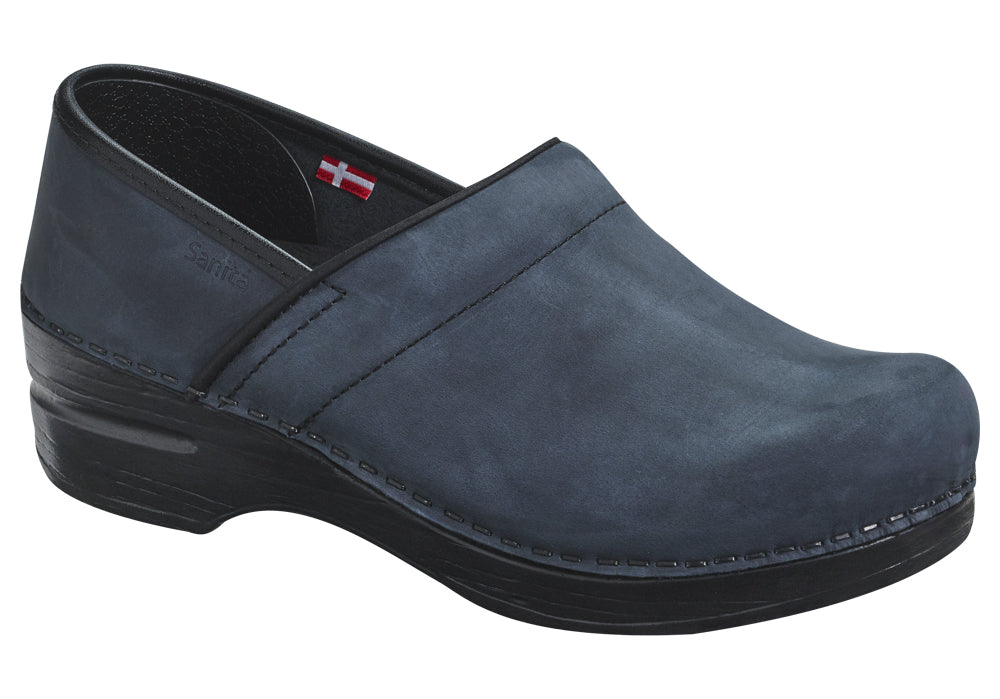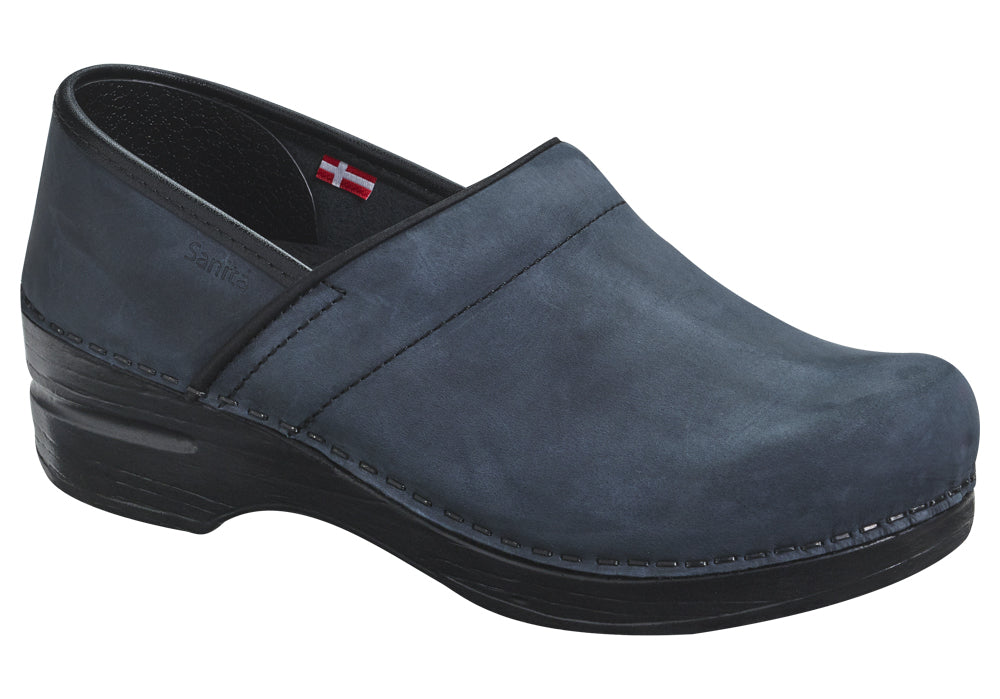


Not all clogs are made the same. From traditional craftsmanship and natural materials to structured support and fit, discover what sets handcrafted clogs apart from factory-made shoes and why those differences matter for everyday comfort.
At first glance, two pairs of clogs can look remarkably similar, with leather uppers, a familiar rounded shape, and promises of lasting comfort. But how a clog is made can influence how it fits, feels, and wears over time.
Traditional handcrafted clogs combine skilled workmanship, specialized forms, and natural materials. Unlike footwear designed primarily for mass production, they often reveal the details of their making. Understanding those differences can help you recognize quality craftsmanship and choose footwear designed for dependable, everyday wear.
Modern factory-made footwear often prioritizes consistency and efficiency, using automated processes to produce large quantities of shoes with minimal variation between pairs.
Traditional clog-making takes a more hands-on approach. Skilled craftspeople use established construction methods, physical lasts, and carefully shaped materials to create footwear with a distinctive structure and feel. Because natural materials and manual techniques are involved, subtle variations may appear in leather grain, staple placement, or finishing.
These details aren't necessarily imperfections. They're part of what gives handcrafted footwear its individual character, reflecting a different approach to comfort built around shape, structure, and dependable support rather than softness alone.
To better understand this philosophy, explore why clogs remain a practical choice for everyday support.
One of the most important elements of clog construction is something you never see: the last.
A last is the three-dimensional form used to shape a shoe. It helps determine the:
Overall shape
Toe profile
Width and volume
Foot position
Heel fit
In traditional clog-making, the last establishes the shoe's structure before attaching the upper. This is one reason handcrafted clogs can feel different from conventional sneakers or highly cushioned footwear.
Rather than relying primarily on flexible materials and soft foam, traditional clogs provide a more defined, structured fit. That firmer feel may be unfamiliar at first, particularly if you're accustomed to athletic shoes, but it's an intentional part of the design for those seeking grounded comfort and dependable support.
Comfort doesn't always mean softness. Sometimes, it means having the right structure beneath your feet.
One of the most recognizable details of traditionally constructed clogs is how the leather upper connects to the sole. In classic clog construction, skilled makers may secure the upper using individually placed staples, creating a durable connection with a distinctive appearance.
Unlike footwear designed to conceal every assembly detail, traditional clogs often reveal how they're made. Slight variations in staple spacing or placement can reflect the hands-on nature of the process.
Craftsmanship isn't always about making every pair look mechanically identical. It's about making each pair with care and purpose.
Leather plays an important role in the character of handcrafted clogs. Because genuine leather is a natural material, its surface isn't perfectly uniform. Even within the same style and color, you may notice subtle differences in:
Grain and texture
Color and tone
Natural markings
Creasing and softness
These variations are part of the material's character. Over time, leather can soften and develop a more individual appearance through regular wear, adding to the appeal for shoppers who value quality materials and timeless design.
Rather than expecting every pair to look identical, it's worth appreciating what makes genuine leather distinctive.
Factory-made footwear isn't inherently lower quality, and modern manufacturing can produce excellent shoes. The distinction lies in the construction methods and priorities behind the finished product.
Factory-made footwear typically emphasizes:
Automated production and assembly
Consistent appearance across large quantities
Standardized materials and components
Efficiency and production speed
Traditional handcrafted footwear emphasizes:
Skilled manual construction
Established shaping and assembly techniques
Natural material characteristics
Attention to finishing details
A visible connection to the making process
Many manufacturers combine machinery with hands-on techniques, so the distinction isn't always absolute. What matters most is understanding how a shoe is constructed and whether those methods contribute to its quality, fit, and durability.

For heritage clog makers, craftsmanship isn't simply an aesthetic detail. It's part of the product's foundation.
If you're comparing clog brands, a few construction details can help you decide more confidently.
A brand should be able to explain what its craftsmanship involves. Look for mentions of:
Hand-stapled uppers
European manufacturing
Traditional clog construction
Leather shaping
Skilled assembly
Specificity is more meaningful than broad descriptions such as "artisan-inspired."
Quality leather, durable outsoles, and thoughtfully constructed footbeds all contribute to how footwear performs over time. Product descriptions should clearly identify materials and explain their purpose.
Examine how the upper connects to the sole, how the edges are finished, and whether the shoe maintains a defined, stable shape. Visible construction details can offer insight into the techniques used to make the shoe.
Heritage alone doesn't guarantee quality, but generations of specialization can demonstrate meaningful expertise. Brands with established clog-making traditions have spent years refining their understanding of materials, construction, and everyday wear.
That experience is particularly valuable when choosing footwear intended for frequent use.
Sanita's clog-making tradition began in Denmark in 1907. For more than a century, the brand has remained rooted in traditional European craftsmanship, purposeful design, and dependable footwear.
Clogs aren't simply one category within Sanita's history; they're where the story began. That specialized heritage continues to influence the brand's approach to footwear, combining authentic Danish construction traditions with structured comfort and durability for modern life.

Whether you're spending long hours on your feet or looking for thoughtfully made everyday footwear, Sanita's philosophy remains grounded in practical functionality. The goal isn't to make shoes that follow every trend, but footwear people can depend on.
Learn more on our heritage page.
If you're shopping for women's leather clogs, focus on more than color or shape. Look for:
Genuine leather uppers
Clearly explained construction methods
Structured footbeds
Durable outsole materials
Stable, intentional design
A brand with genuine clog-making expertise
The same principles apply when choosing men's leather clogs. Quality materials, dependable construction, and a structured fit matter more than novelty, and a well-made pair should offer a thoughtful balance of durability, structure, and practical comfort.
For shoppers who spend long hours on their feet, Sanita's professional clog collection offers footwear designed around structured support and dependable daily wear.
Finding the right fit is equally important. Before choosing a pair, check our size guide to better understand your options.
Handcrafted doesn't automatically mean longer-lasting. Durability depends on material quality, construction, outsole design, frequency of wear, and proper care.
However, traditional construction methods paired with durable materials can contribute to footwear designed for repeated use. When shopping for leather clogs, look beyond the handcrafted label and consider how the shoes are built, what materials are used, and how they're intended to be worn.
Often, yes. Traditional clog construction can create a more structured experience through:
A carefully shaped last
Defined footbed contours
Supportive, stable construction
Natural leather uppers
A firmer feel beneath the foot
If you're transitioning from sneakers or highly cushioned footwear, handcrafted clogs may feel different at first. That doesn't necessarily mean they're less comfortable; they simply offer a different approach to comfort, emphasizing stability, shape, and support rather than immediate softness.
The right fit remains essential, and your clogs should feel secure without excessive pressure or uncomfortable rubbing. For many clog wearers, that grounded, structured feel is precisely what makes traditional clogs appealing.
For more insight into the purpose behind traditional clog construction, visit Why Clogs.
At a distance, many clogs look alike, but up close, the differences become clearer. The carefully shaped last, natural leather, visible staples, and attention to finishing all reflect the decisions and techniques behind the finished shoe.
For people who value dependable support, authentic materials, and thoughtful craftsmanship, those details are worth understanding. The value of traditional clog-making isn't simply in preserving the past, but in creating footwear that's still relevant to the way we live and move today.
Register to receive a notification when this item comes back in stock.