

Cushioning can feel comfortable at first, but work shoes need more than softness alone. Learn the difference between structured support and cushioning, how each affects the way a shoe feels throughout a long shift, and what to consider when choosing footwear for hours on your feet.
Walk into any shoe aisle, and almost every pair claims to be "comfortable." That word is doing a lot of work, because comfort isn't one thing: it's at least two competing ideas, and most shoppers never stop to ask which one they're actually buying. Supportive work shoes and cushioned work shoes can look nearly identical on a shelf and feel completely different by hour eight of a shift.
If you're standing or moving for most of your workday, the difference between structured support and soft cushioning isn't a minor spec. It's the difference between a shoe that feels good in the store and one that still feels good on the walk to your car after a full shift.
Cushioning-first design is built to feel good the moment you put it on. Soft foam, gel inserts, or plush padding compress under your foot, creating that immediate "sinking in" sensation. It's the same instinct that makes a pillow-top mattress feel great in a five-minute showroom test.
Structure-first design takes a different approach. Instead of softness, it prioritizes a footbed and sole that hold their shape, supporting the natural contours of your foot rather than simply cushioning it. The first-step feeling is firmer, sometimes even less exciting than a plush insole. But that's exactly the trade-off worth understanding before you buy.
The real test of a work shoe isn't the first five minutes; it's the fifth hour.
Soft cushioning is, by nature, compressible. That's what makes it feel soft in the first place. But over a long shift, repeated compression is exactly what causes foam and gel materials to flatten out. The plush feeling that sold you in the store gradually gives way to a footbed that's lost much of its original loft, right around the point in your shift when you need support most.
Structured footbeds work differently because they don't rely on compression to create the feeling of support. A shoe built with a contoured, structured base is designed to hold its shape through hour one and hour twelve alike, which is why it tends to feel more consistent — not necessarily softer, but steadier — as a long shift wears on.
It's an easy assumption: if a little cushioning feels nice, more must feel even better. In practice, it's more complicated than that.
An overly soft, unstructured footbed can let your foot flatten and shift more than a firmer one would, since there's less underlying structure to keep everything in place. That's not a flaw in soft shoes; it's simply what softness is. The goal of structured support isn't to eliminate cushioning altogether, but to give your foot a stable foundation to move from, with cushioning layered on top of that structure rather than instead of it.
This is also why "supportive" and "soft" aren't opposites. The best work shoes usually combine both, in a specific order: structure first, comfort layered on top.
None of this makes soft, cushioned footwear a bad choice; it depends entirely on what your day looks like. A cushioned shoe can feel great for shorter periods on your feet, lower-impact days, or casual settings where you're sitting as much as you're standing. The trade-off only becomes noticeable during extended, repetitive standing and walking, the exact conditions a lot of work shoes are actually used in.
If your day is a mix of sitting and light movement, cushioning-forward footwear may genuinely be the better fit. The point isn't that one approach is universally superior — it's that the two are built to solve different problems, and knowing which problem you're solving matters more than picking whichever shoe felt softest in the store.
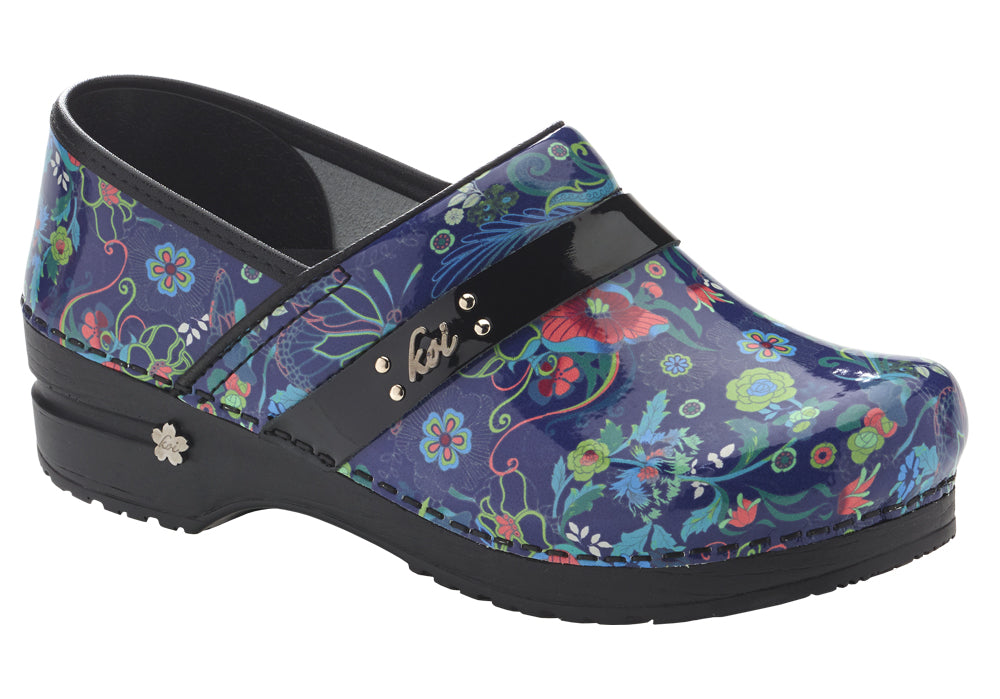
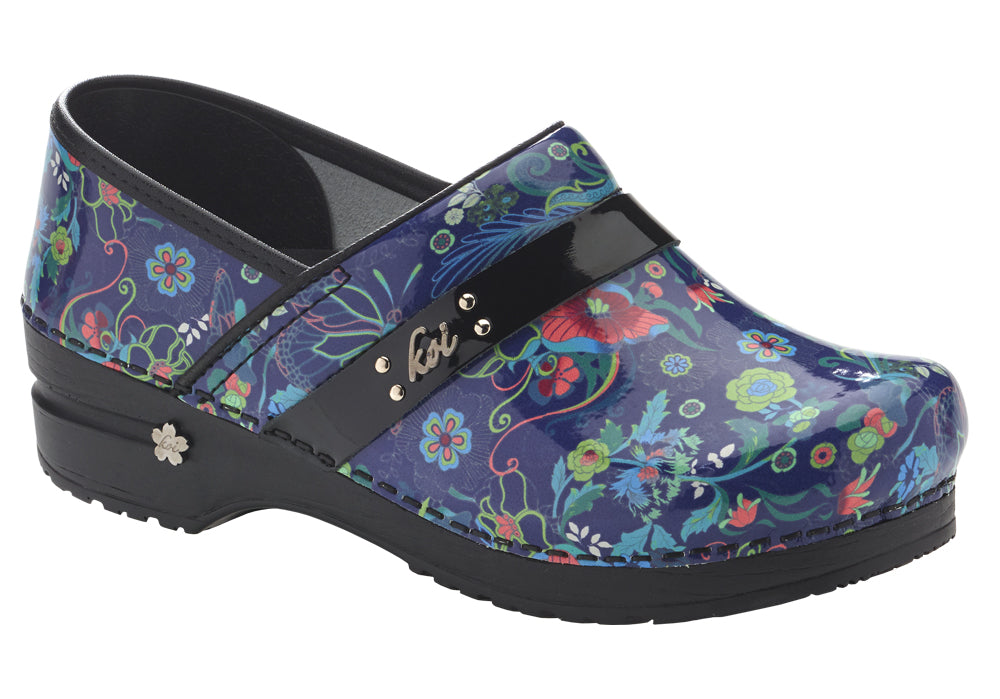
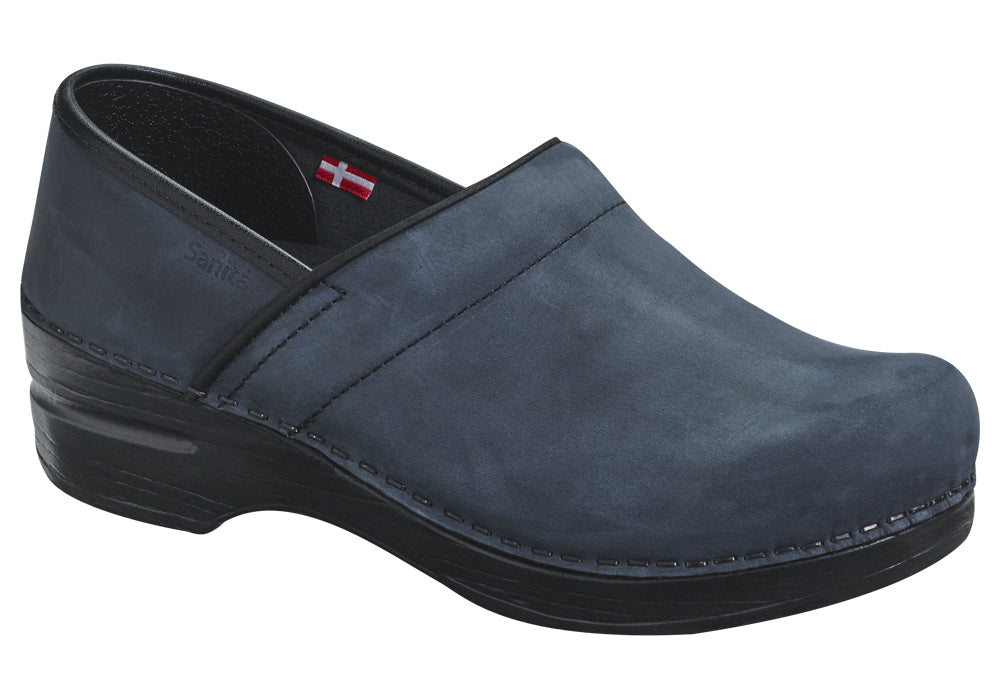
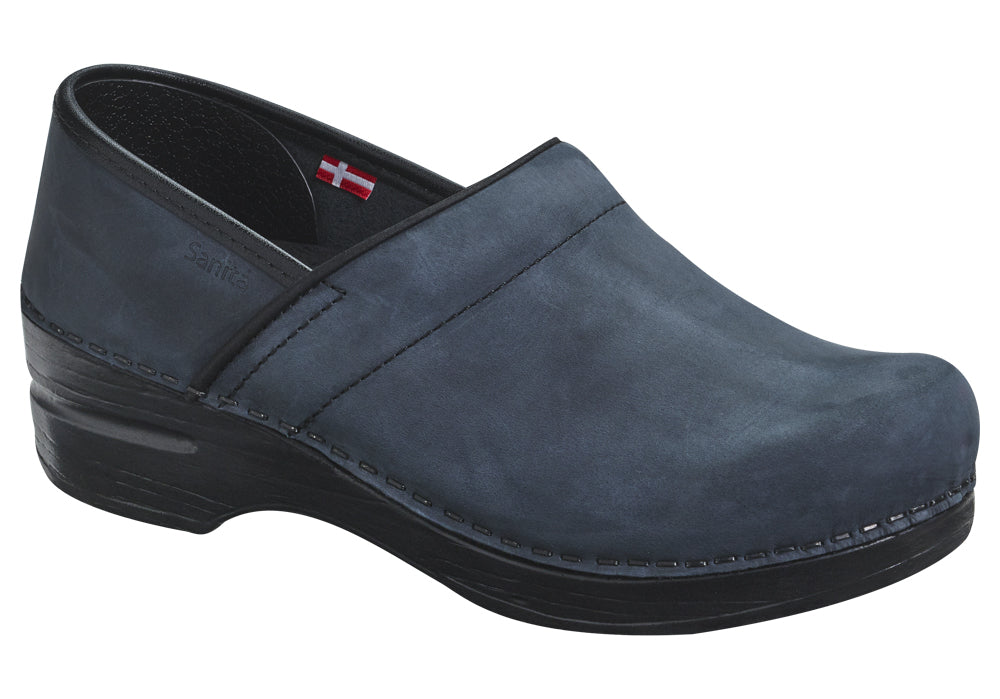
Structured support in a clog typically shows up as a few things working together: a contoured footbed shaped to the natural form of your foot, a firmer sole that resists collapsing under repeated pressure, and a defined heel cup that helps keep your foot positioned rather than sliding around inside the shoe. None of this is about correcting anything — it's simply a different foundation to build comfort on top of.
For anyone who's tried a "comfort" shoe that felt amazing on day one and disappointing by day thirty, this is usually why: the cushioning did its job by breaking down, while a structured base is designed to keep doing its job.
A simple way to think about it:
Choose structured support if you're on hard floors for most of a shift, moving constantly, or standing in one place for extended stretches: healthcare, hospitality, food service, retail, and similar environments.
Choose cushioning-forward footwear if your day involves shorter stretches on your feet, more sitting than standing, or lower-impact movement overall.
For most people shopping for supportive work shoes specifically, it's because they've already tried the soft option and felt it fall short by the end of a long day. That's usually the moment to look for structure first, comfort second, not the other way around.
Sanita's structured clogs are built around a contoured, supportive footbed designed to hold its shape shift after shift, not just in the first five minutes of wear.
If you're ready to upgrade from flat, unsupportive shoes, explore Sanita's structured support styles or browse the full Professional Collection to shop contoured, all-day styles built for hard floors and long shifts.
Register to receive a notification when this item comes back in stock.